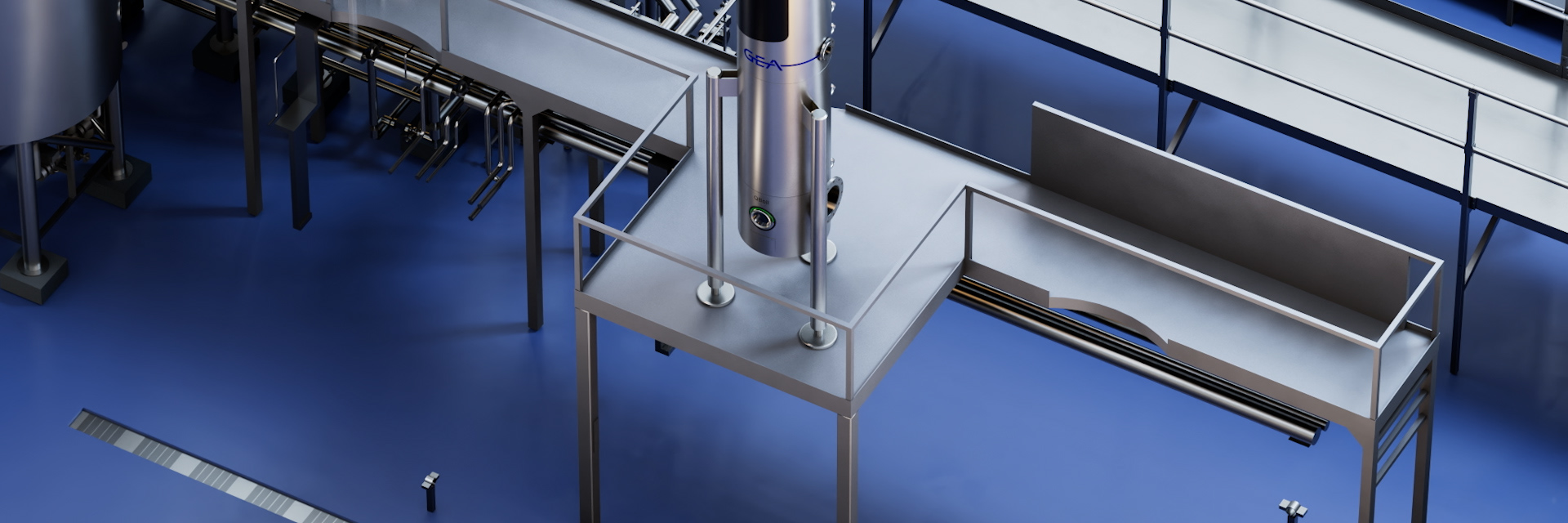
A camera move through the GEA brewery installation

The brief

Understand the process.
Make the benefits visible.

Qboil is GEA's brewing solution for the wort-boiling stage, offering energy efficiency, process control and easy integration. GEA needed to explain clearly how it works inside a brewery.

The idea was simple: take the process diagram and unravel it in stages, showing how the equipment connects, what happens inside it and how each stage contributes to the whole. The target audience already knew brewing, so the basics could be skipped. Accuracy was the challenge: every pipe had to connect properly to make sense, and that's where technical support from the client helped me get the process right.
01 / From diagram to film

Accurate connections. Visible flow.

The visual approach

Simplify the scene.
Follow the process.

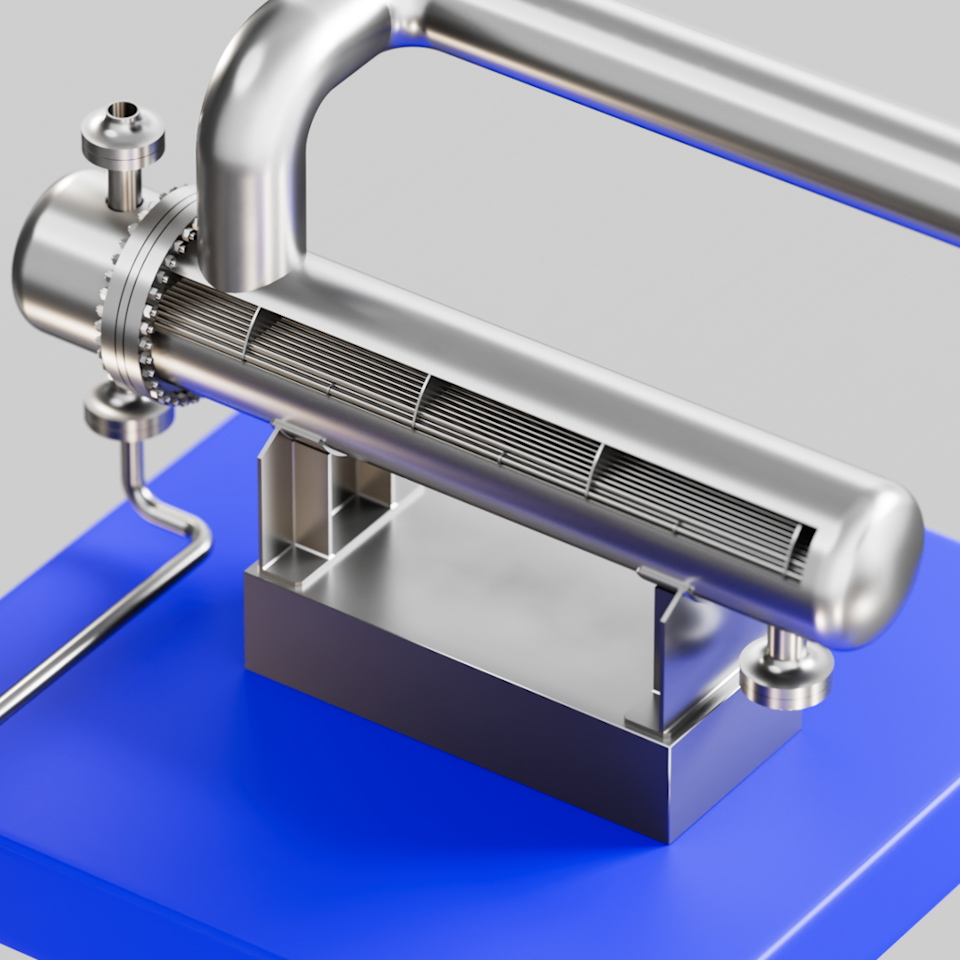
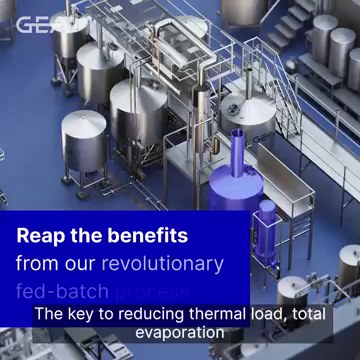
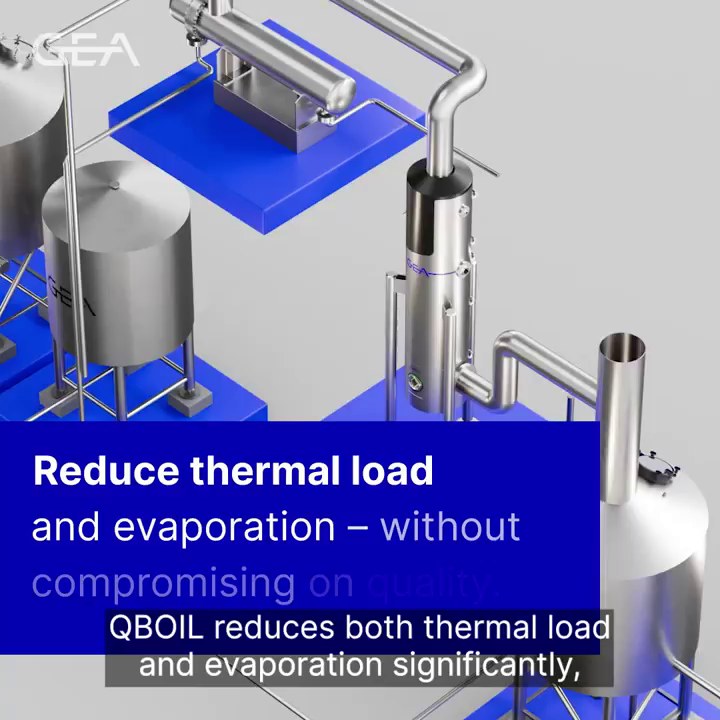
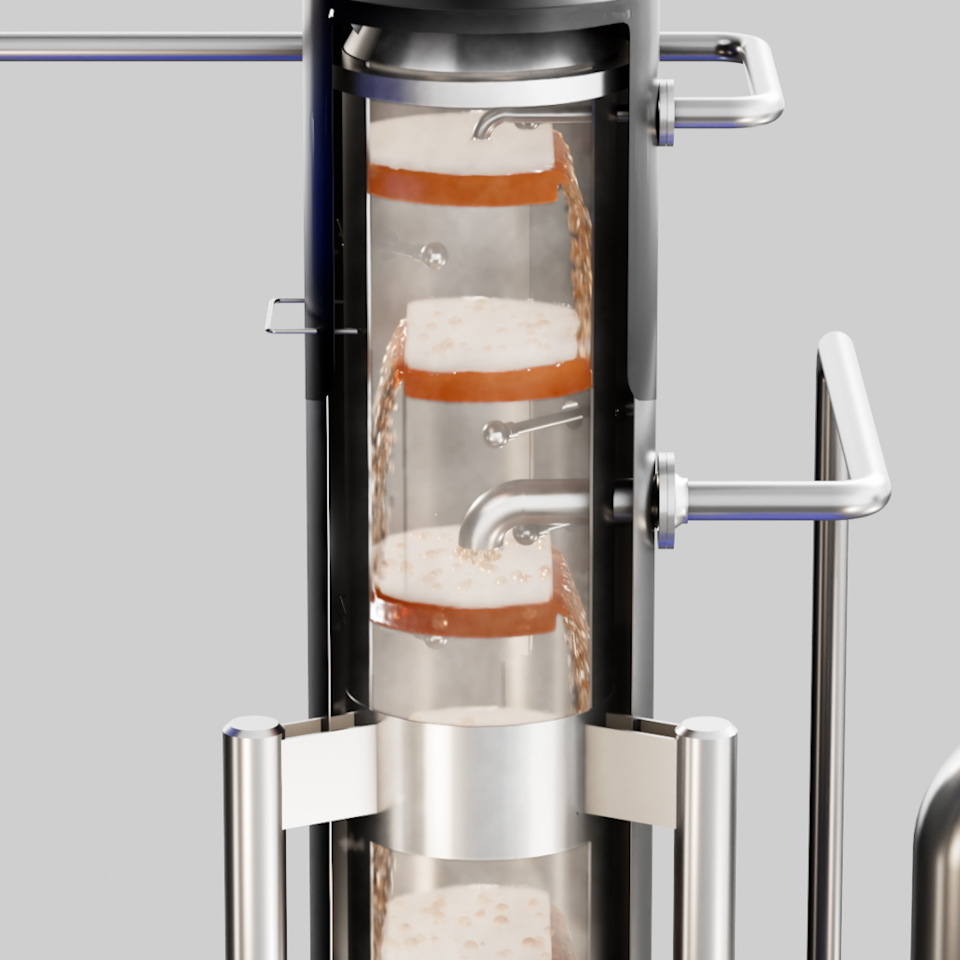
The film moves from a complete brewery into a simplified setting where each component has room to be understood. Pipes link the brewing stages in sequence, and cutaways reveal the internal flows. The camera connects each detail back to the wider process.

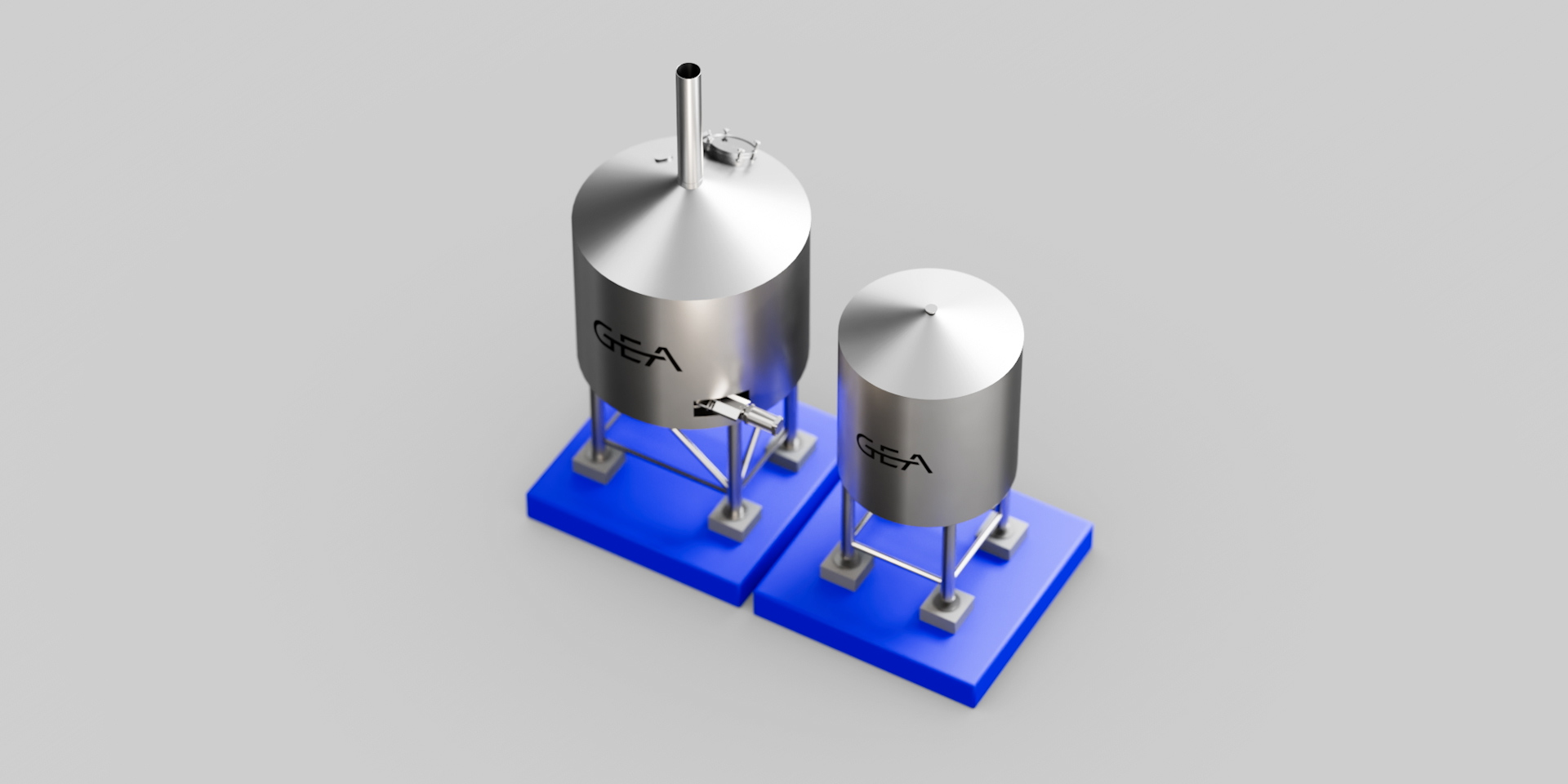
The brewing equipment assembling into a connected process
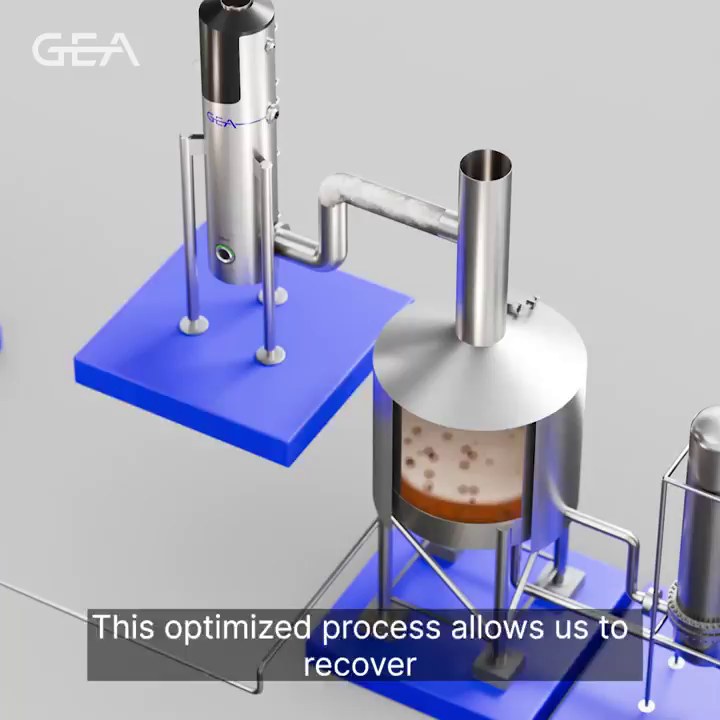
Liquid flowing in cutaway
Vapour filling heat exchanger

The simulations

Make the flow
feel real.

Simple liquid and smoke simulations bring the internal process to life. The movement of liquid and vapour adds detail to the cutaway views and helps the viewer follow what happens inside the equipment.

02 / One film. Five conversations.

Designed for social media format.

Built for reuse

Shorts by design.

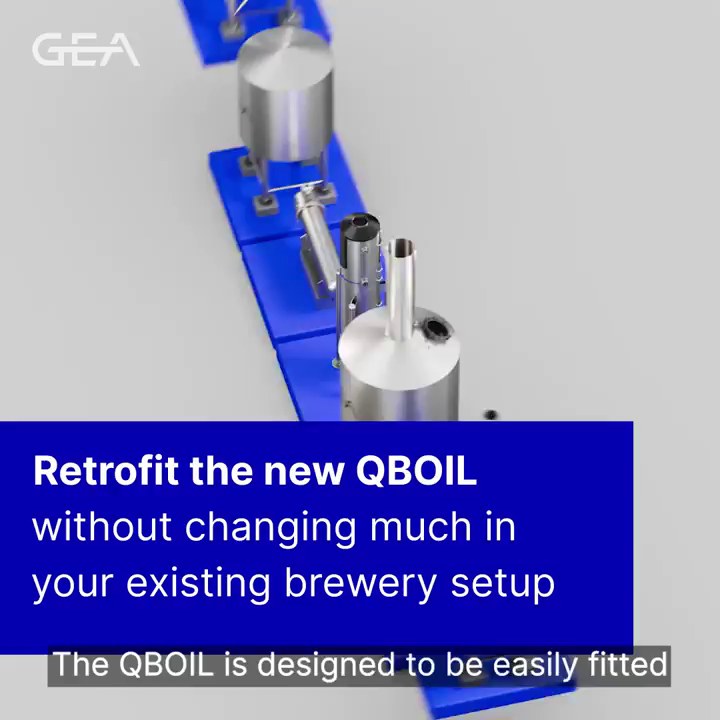
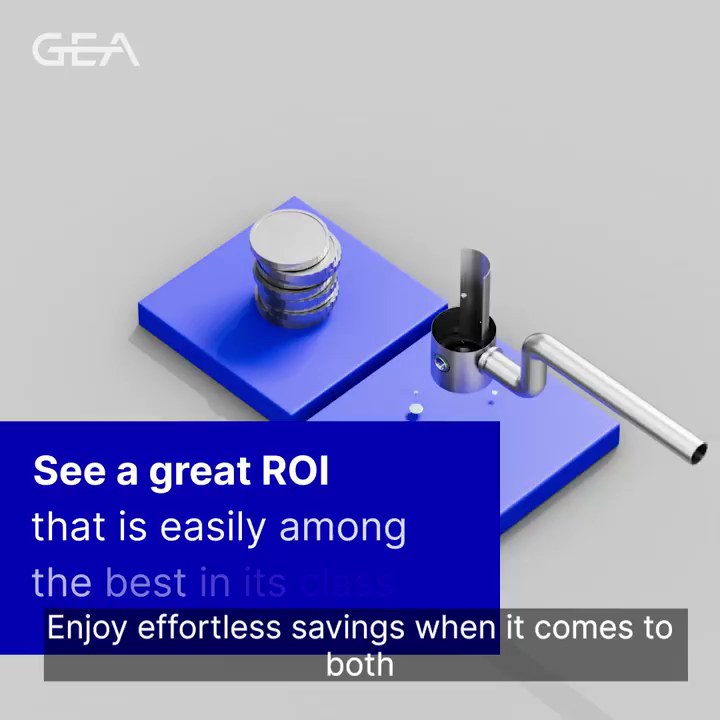
The LinkedIn edits were part of the plan from the beginning. Each topic had its own clear sequence within the full film, making it straightforward to extract five focused shorts without rebuilding anything.

The result is a connected set of explanations: fed-batch brewing, energy recovery, the distillation column, retrofitting and return on investment.

03 / Watch the films

The complete explainer & five LinkedIn shorts

GEA Qboil — full explainer

Watch on YouTube ↗

End of project

← Back to selected work